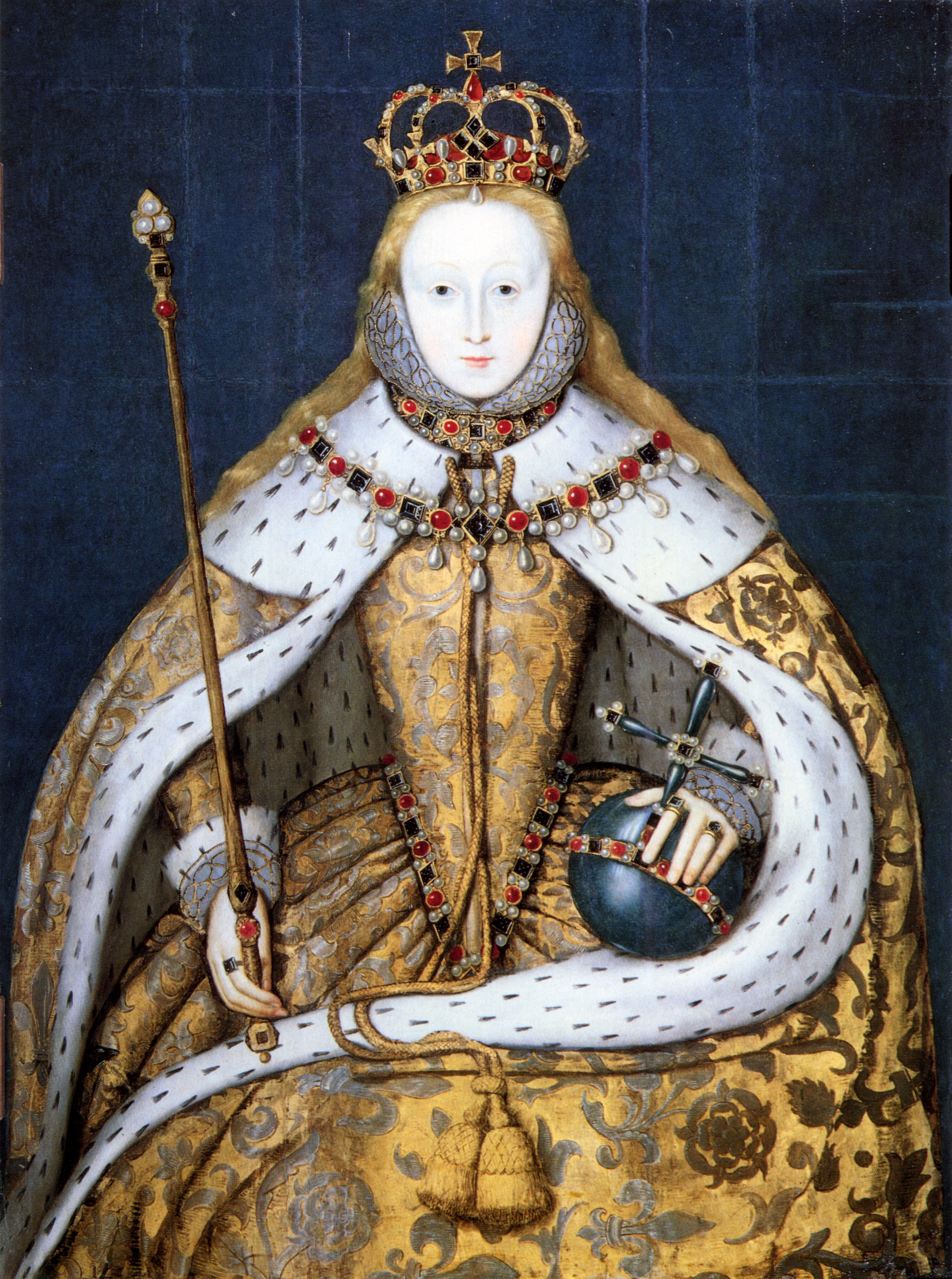
“The Occult Philosophy in the Elizabethan Age” is Frances Yates' prequel to her seminal “The Rosicrucian Enlightenment”. It contains short essay-like studies on various aspects of the Renaissance in England during the reign of Elizabeth I, the Virgin Queen. By way of introduction, Yates also expounds on the occult philosophies of Pico della Mirandola, Cornelius Agrippa and other 15th and 16th century figures. The most sensational is Francesco Giorgi, who was a Franciscan friar.
Yates' thesis is that Italian Renaissance esotericism reached England, became an important cultural stream in that nation, and was later exported to Germany in the form of Rosicrucianism. Apparently, this is considered farfetched today, and other scholars believe that Rosicrucianism had native German sources. Another important point made by Yates is that “Renaissance Neo-Platonism” was really a combination of Neo-Platonism, Hermetism and the Jewish Cabala, the latter in a Christianized form. While Marsilio Ficino, the “father” of Renaissance Neo-Platonism, wasn't interested in the Cabala (or didn't know about it), his disciple Pico was a Christian Cabalist. So was Agrippa. The Cabala, in turn, was connected to strivings for religious reform, which explains the curious fact that Agrippa and other occultists admired Erasmus of Rotterdam, and that many later became Protestants. In Elizabethan England, esotericism also became imperialist under the influence of John Dee. Dreams of English imperialist expansion under Elizabeth, claimed to be a descendant of the ancient British kings, were tied to Messianic expectations of an anti-papal bent.
A large portion of “The Occult Philosophy” consist of literary analysis, Yates seeing Neo-Platonist, Hermetic and Cabalist influences in the works of Edmund Spenser and William Shakespeare, or the art of Albrecht Dührer. I'm not particularly interested in poetry or the minutiae of art, so I mostly skimmed these sections. Yates ends with a discussion about the supposed esotericism of John Milton and speculates that the Christian Cabala led to philosemitism and thereby paved the way for the eventual return of the Jews to England. She also discusses the Agrippa legend and the witch-craze.
In an earlier book, Yates had apparently stated that the advanced and somewhat peculiar culture of Elizabethan England looks enigmatic. It has no clear origins, emerges out of the blue, and disappears just as mysteriously. “The Occult Philosophy” tries to entangle this riddle by claiming that we're really dealing with a version of Renaissance esotericism which had reached England through Italian and German channels. It disappeared due to a counter-reaction during the last years of Elizabeth and the subsequent reign of James I, but was successfully exported back to Germany with Princess Elizabeth, as detailed in “The Rosicrucian Enlightenment”. Besides, it never really disappeared in England either, raising its head again with Robert Fludd and even Francis Bacon, who Yates believes (perhaps wrongly) to have been a Rosicrucian…
Frances Yates have often been criticized by later historians, but she was a trail-blazer in "occult" studies and her books are therefore still required reading for anyone interested in this, shall we say, somewhat esoteric subject. Three stars!

No comments:
Post a Comment