|
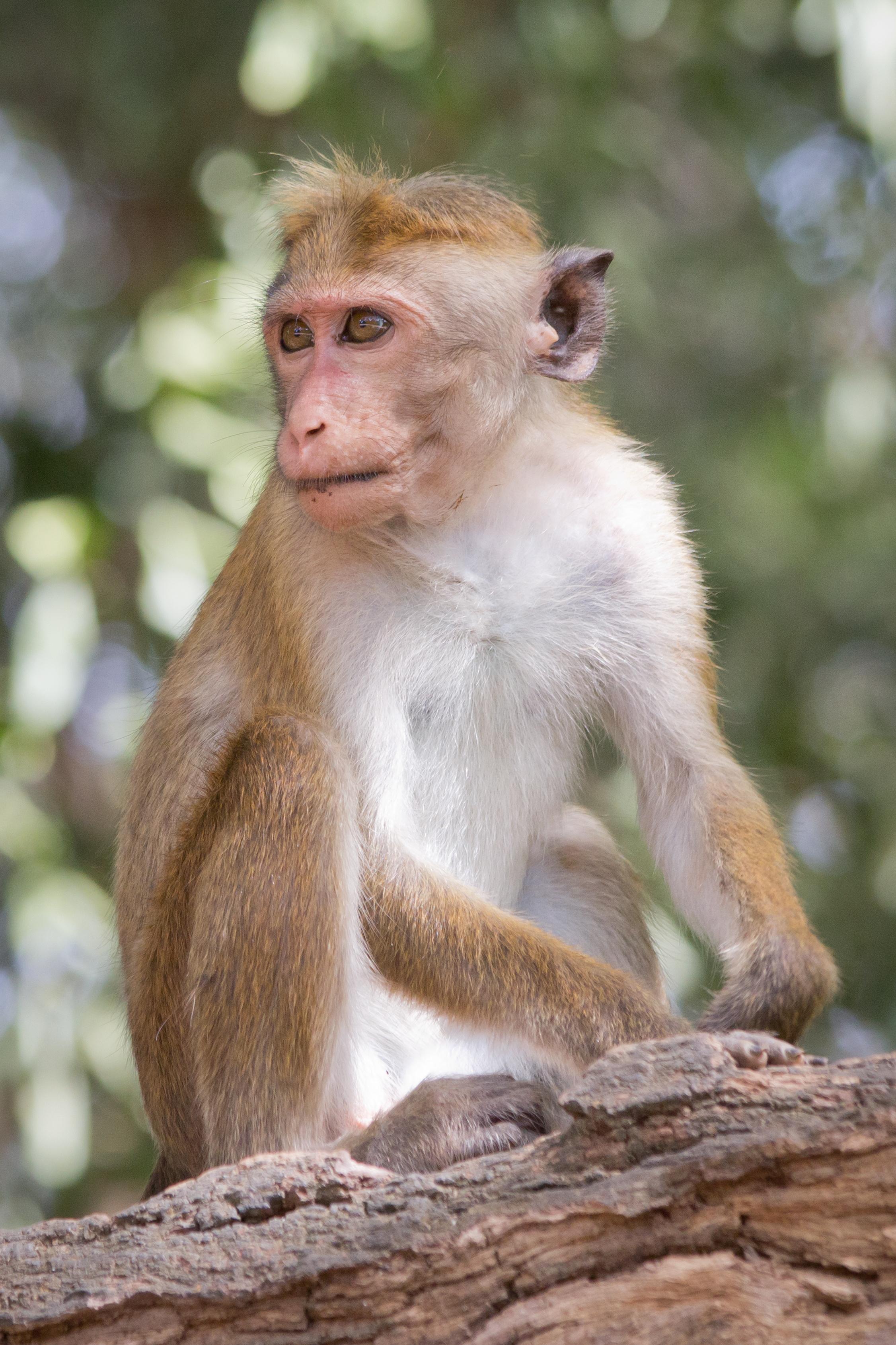
| - We tricked them scientists really good, I´m really a bear, you know! |
Great question! The classification of the giant panda (Ailuropoda melanoleuca) has a pretty fascinating history because it's such an oddball in the animal kingdom. Here's a breakdown of why scientists were confused at first—and how they figured it out in the end:
🌿 Why Did Scientists Think Giant Pandas Weren’t Bears?
-
Similarities to Red Pandas:
-
Giant pandas and red pandas (Ailurus fulgens) share several unusual features:
-
Both eat mostly bamboo (unusual for carnivores).
-
Both have a "false thumb" (an extended wrist bone) used to grasp bamboo.
-
They also share some behavioral and ecological similarities, like solitary habits and living in the same mountain forests of China.
-
-
Because of these similarities, scientists once grouped them together in their own unique family or subfamily—Ailuridae—separate from true bears (Ursidae).
-
-
Diet Confusion:
-
Although both are classified as carnivores (the order Carnivora), their bamboo-heavy diet makes them look more like herbivores.
-
This atypical diet led scientists to question whether pandas really belonged with meat-eaters like bears and big cats.
-
-
Morphological Ambiguity:
-
The physical traits of the giant panda are a strange blend. Some features are bear-like (e.g., skull structure), others are more like raccoons or red pandas.
-
This “mosaic” of traits made it hard to place them definitively.
-
🔬 How Did Scientists Determine Giant Pandas Are Bears?
-
Molecular Genetics (DNA Evidence):
-
The big game-changer came with advances in molecular biology in the late 20th century.
-
DNA analysis—especially mitochondrial DNA and later nuclear DNA—showed clearly that:
-
Giant pandas are most closely related to other bears (family Ursidae), particularly the spectacled bear of South America.
-
Red pandas, on the other hand, are in their own unique lineage and not closely related to bears.
-
-
-
Cladistic Analysis:
-
Scientists also began using more rigorous evolutionary trees (cladistics) that analyze many traits in combination.
-
These analyses reinforced that giant pandas evolved within the bear lineage and are a very early offshoot of the bear family.
-
🐼 So What’s the Final Verdict?
-
Giant pandas are bears—they're a unique and early-branching member of the bear family (Ursidae).
-
Red pandas are not bears—they’re the only living member of their own family (Ailuridae) and more distantly related to weasels and raccoons.
If you like this kind of animal classification stuff, the evolutionary stories behind creatures like whales, platypuses, or pangolins are equally weird and fun! Want more of those?
Excellent catch—and you’re right to question that detail. Let's clarify the taxonomy more precisely:
🧬 Were Giant and Red Pandas Once in a Subfamily of Ursidae?
Not quite. Here's how it played out:
🔄 Historical Classifications
-
Early Confusion:
-
In the late 19th and early 20th centuries, scientists weren't sure how to classify either giant pandas or red pandas.
-
At various times, both animals were shuffled between the raccoon family (Procyonidae), the bear family (Ursidae), and sometimes their own proposed groups.
-
-
Proposed Grouping Together:
-
Because of their shared traits (bamboo diet, "false thumb," some skull and dental similarities), some scientists proposed placing both red pandas and giant pandas in a unique family: Ailuridae or sometimes Ailuropodidae (the naming wasn't always consistent).
-
In this view, they were neither raccoons nor bears but a separate family within the order Carnivora.
-
-
Not a Subfamily of Ursidae:
-
When grouped together, they were usually placed outside of Ursidae entirely—not as a subfamily within it.
-
In fact, red pandas were often placed in Procyonidae (with raccoons), while giant pandas bounced between Ursidae and Procyonidae depending on the researcher.
-
🔬 The Modern Consensus (Thanks to DNA)
-
Today, giant pandas are firmly within Ursidae.
-
Red pandas are in their own distinct family: Ailuridae, which is part of the superfamily Musteloidea (alongside raccoons, skunks, and weasels).
-
Their similarities are now considered examples of convergent evolution—not shared ancestry.
So to wrap it up: no, they weren't classified as a subfamily of bears, but rather, at one point, some researchers proposed a completely separate family for both of them. The confusion came from trying to make sense of their mix of traits in a pre-DNA era.
Want to dig into how convergent evolution played a role in this mix-up? It’s a fascinating concept that shows up a lot in nature.