
If you know, you know. And you don´t. (The picture is AI-generated, btw.)
The blog to end all blogs. Reviews and comments about all and everything. This blog is NOT affiliated with YouTube, Wikipedia, Microsoft Bing, Gemini, ChatGPT or any commercial vendor! Links don´t imply endorsement. Many posts and comments are ironic. The blogger is not responsible for comments made by others. The languages used are English and Swedish. Content warning: Essentially everything.

Part 2 of 2 (I hope!) about cemetery-related folklore c/o the all-knowing AI algorithmus...
Is there any folklore about the wych elm (Ulmus glabra)?
Yes — the elm tree (Ulmus glabra / Wych Elm / Scotch Elm) has a lot of European folklore attached to it, though it is often overshadowed by oak, ash, and yew. The elm occupies a distinct symbolic niche: a tree of boundaries, the dead, and watchfulness. Below is the clearest overview.
Across Europe, elm trees were strongly associated with:
the dead and the underworld
cemeteries
graveyard guardianship
the path of the soul
In many regions, especially Britain and parts of Germany:
Elms were planted deliberately in graveyards because they were believed to “watch” the dead and keep spirits from wandering.
This is likely why the English name “wach-elm / wicht-elm” (old variants of “wych elm”) may have been associated with “watching,” “guarding,” or “witch,” depending on interpretation.
The elm was considered a sentinel tree.
Elm was the preferred wood for coffins for centuries.
Some villages believed:
“The elm chooses the dead.”
If an elm split or fell suddenly, it foretold a death.
Elm groves were believed to be places where ghosts or spirits gathered.
Elm avenues traditionally led to churches and graveyards as “paths of souls.”
The elm was a “Totbaum” (death-tree).
Spirits of the unbaptized dead were thought to cling to elms.
An elm standing alone at a crossroads was said to “hold” a wandering soul.
Elms appear at:
crossroads
village borders
meeting grounds
sacred groves
graveyards
places associated with oaths and judicial assemblies
This gives them a liminal function — just like ash (Yggdrasil) and yew (the death tree) — but in a quieter, more local way.
A repeated theme:
the elm is a sentinel
it stands at thresholds
it marks transitions between worlds
it observes but does not act
This is why it is often found in folklore as a silent witness to supernatural events.
There is no single unified tradition, but regionally:
Elm wood was used in witches’ wands (less common than hazel or rowan, but present).
Elm bark was used in charms to summon or bind spirits.
Elm groves were avoided on certain nights because “witches held sabbaths there.”
The “wych” in wych elm is NOT related to “witch”, but in folk imagination the association developed anyway.
In some English and Celtic lore, elms had:
female spirits associated with sorrow or guardianship
watcher spirits who protected travelers on moonlit nights
in some regions, ghosts were said to hide in elms to avoid the moonlight
In parts of Germany and Eastern Europe:
female nature spirits lived in elm groves
they were helpful or dangerous depending on how you approached the tree
elm spirits were invoked for lost children or wandering ghosts
Elms had an unusual connection to the night:
They were believed to “drink the moonlight.”
Under an elm at full moon, visions were possible.
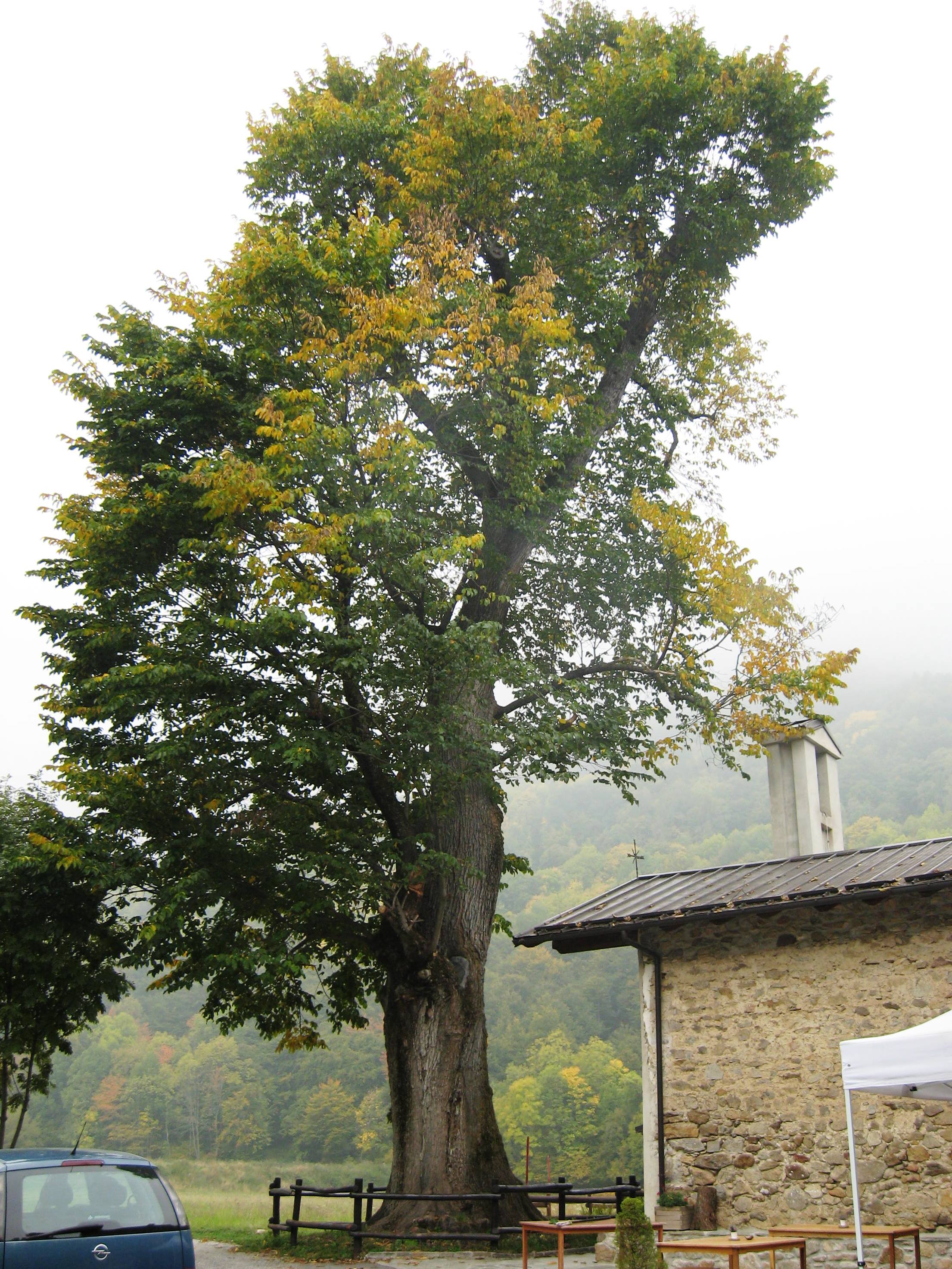
Fog under an elm (rare but possible) was considered a sign of spirit presence.
This ties the elm to dreams, omens, and night-watching.
The elm symbolizes:
guardianship
silent watchfulness
the dead
thresholds
ancestral memory
the movement between worlds
It is not as heroic as oak, nor as magical as ash, nor as death-bound as yew —
but it stands exactly at the crossroads between life and death, “watching.”
Folklorically, the wych elm is a guardian of liminal spaces — a watch-tree associated with graveyards, spirits, thresholds, and the subtle boundary between the living and the dead.
If you want, I can also explain:
how the elm compares mythologically to the ash, yew, and elder
whether elms appear in Norse or Celtic myths
how elm lore connects to the Wild Hunt or Krampusnacht imagery
the Indo-European background of “watching trees”
Just tell me which angle interests you.

Yes — fog in graveyards has a strong mythological and symbolic meaning in many cultures. The connection is not accidental. Fog has long been seen as a boundary phenomenon, and graveyards are boundary spaces, so when the two coincide they become charged with mythic significance.
Below is a clear overview.
Fog is symbolically associated with:
thresholds between worlds
uncertainty and the unknown
spirits crossing boundaries
dissolution of form
the presence of ancestors
Fog hides the landscape and muffles sound, creating the feeling that the world is “between states.” In folklore, this makes it the perfect medium for contact with the dead.
Graveyards themselves are:
places where the living and the dead meet
entrances to the underworld (psychologically and mythically)
ritual thresholds (you enter a different domain)
When fog appears there, the symbolism intensifies:
Fog in a graveyard means that the boundary between the worlds is thin or porous.
This idea appears in many mythic traditions.
Fog (mist) was the medium through which:
the Áes Síde (spirits/fairies) traveled
the dead became visible
souls entered or left the Otherworld
Graveyard fog was considered a sign that the Sidhe were moving.
Fog in burial mounds or graveyards suggested:
the presence of draugar (restless dead)
a thin veil to the land of the ancestors
the activity of the Wilde Jagd (Wild Hunt)
Some regions called dawn fog over graves “the breath of the dead.”
Fog in cemeteries was sometimes interpreted as:
souls wandering
nav’ spirits (restless dead) moving about
a sign that the dead were “not at rest”
Even after Christianization, older ideas survived. In many European villages:
Fog over graves = souls rising for judgment
Fog drifting low = purgatorial souls wandering
Sudden thick fog = the dead visiting the living
Fog on All Souls’ Night = “the spirits walk”
Churchyard fog was also associated with:
angels taking souls
the devil trying to confuse the living
ghosts unable to find peace
Fog or mist in a cemetery can signify:
angels moving between heaven and earth
the Barzakh (intermediate world) becoming perceptible
protective spirits guarding the graveyard
Though not as strongly emphasized as in Europe, the symbolism is similar: fog = boundary veil.
Fog or mist among tombs indicates:
the activity of hun and po spirits
yin energy accumulating
the presence of ghosts
portals opening at certain lunar times
Mist is literally called “ghost smoke” in some folk sayings.
In Shinto and Japanese folklore:
Fog over graves = kami or spirits descending
Ghosts manifest in misty forms
Spirits travel in “cloud paths”
It creates a kekkai (boundary zone).
Fog is “form without form.” It has mythic resonance because:
it obscures certainty
it makes the familiar unfamiliar
it softens boundaries
it invites imagination
So graveyard fog becomes an archetypal moment of:
ancestral presence
liminality
vulnerability
the uncanny
This survives strongly in literature, film, and popular imagination.
Fog in a graveyard is universally understood as a sign that the boundary between the living and the dead is thin — a liminal moment when spirits may move, appear, or communicate.
If you want, I can also explain:
why fog appears physically over graveyards (natural reasons)
how this natural effect became mythologized
parallels between graveyard fog and Tibetan dre or gshin lore
how this symbolism appears in Gothic literature
Just tell me what direction interests you.
Yes — European mythology absolutely links lunar phases with spirit-activity, though the patterns differ by region and type of spirit. The associations are not identical to Tibetan/Indian cosmology, but the underlying logic is the same:
the Moon regulates when certain beings are strong, visible, or dangerous.
Below is a clear breakdown by cultural area.
Heightened activity of elves (álfar) — sometimes benevolent, sometimes dangerous
Land spirits (landvættir) are more awake and perceptive
Seeresses (völvur) preferred divination and seiðr on full moons
Increased likelihood of the Wild Hunt appearing (especially winter full moons)
Full moon light was considered protective against:
trolls
draugar (revenant dead)
night-hags
Trolls and giants most active
Witches (in later folklore) gather or ride on this night
Draugar leave their mounds
Night-walkers (mare/mara) more dangerous
Good night for necromancy in saga literature
Norse and Icelandic saga lore consistently depicts the dark moon as the time when the dead walk most easily.
Fairies (Feen), nature spirits, and forest beings are strongest
White Ladies (benign ancestral spirits) appear
Spirits of water and lake maidens become visible
Witches’ power is at its peak (as in the Hexenerzählungen)
Moonlight is purifying and protective:
ghosts cannot approach someone standing in a full moon beam.
Devils, demons, and ghosts strongest
Krampus, Perchten, and winter demons especially associated with the dark moon periods
Werewolves transform more easily on the full moon in pop culture, but older folklore sometimes associates the transformation with dark and waning moons.
Folk sayings connect dark moon nights with:
“the Devil’s wandering”
“souls seeking warmth”
“the dead needing light”
The Sidhe (fair folk) travel in procession
Good night for prophecy
Strength of healing and protective spirits
Ancestors may appear in peaceful or guiding forms
Faeries steal children (changelings)
Ghosts, “restless dead,” and revenants more active
Cailleach (winter hag) and dark goddesses strongest
Nightmares and “hag-riding” (sleep paralysis) more common
Scottish lore says:
“On the dark moon, the veil lies thin as a cobweb.”
Rusalka (water spirits) appear dancing
Domovoi (household spirits) more active (helpful or mischievous)
Spirits of ancestors approach in gentle form
Lunar light protects from vampires (upirs) and strzygą
Vampiric beings strongest
Nav’ (souls of the restless dead) wander
Shape-shifting witches (vedmy) work their magic
Forest demons more aggressive
Slavs associate the Moon with the soul itself.
The “waning moon” is dangerous for childbirth, travel, and graveyard visits.
Associated with Hera, Artemis, and Selene
Best for divination and contact with benevolent spirits
Protective against ghosts
Night of Hecate
Demons (daimones) more active
Ghosts visible at crossroads
Sorceresses perform necromancy and binding spells
This became a standard in Greco-Egyptian magical papyri.
Across Europe:
elves
fairies
household spirits
healing spirits
ancestors
goddess figures
ghosts
revenants
night hags
witches
demons
were-creatures
wandering dead
vampires
the Wild Hunt
A common belief:
As the Moon shrinks, the dead grow bold.
Associated with growth, protection, and good magic.
Yes — Europe shares the same basic pattern as Tibetan and Indian cosmology:
the full moon empowers gods, fairies, and benevolent spirits, while the new moon empowers ghosts, demons, witches, and the restless dead.
If you want, I can also compare:
Tibetan gdon/’dre spirits with Germanic draugar
Celtic fairy hosts with the Tibetan dakini retinues
European night-hag lore with Tibetan gdon attacks (sleep paralysis)
The Wild Hunt with the Tibetan dakinis of the charnel grounds
Just tell me which direction interests you.
Vårt mest populära inslag är tillbaka. Artikeln nedan är från Tobias Hübinettes blogg.
