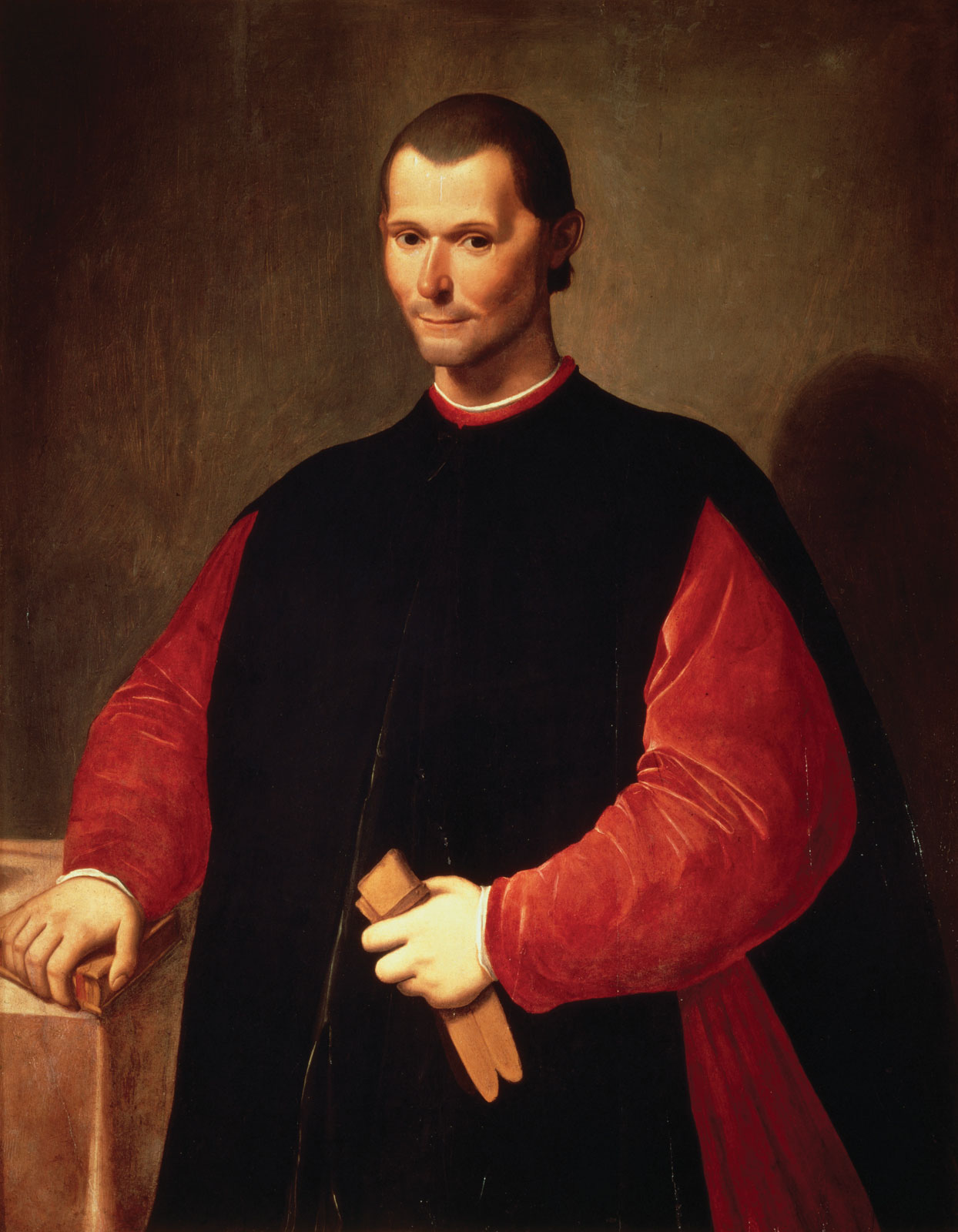
This is the first volume of “The Foundations of Modern Political Thought” by Quentin Skinner. It feels “raw” and unedited, and is therefore somewhat difficult to read. The period covered is the 14th, 15th and early 16th centuries. Most of the book deals with Italy, but developments in northern Europe are also included.
Naturally, Machiavelli plays a central role in the book. Another important
thinker covered is Marsilius of Padua. The development of scholasticism,
rhetorical studies and humanism is covered as a necessary background. So is the
actual political situation in the Italian city-states. It's interesting to note
that “democracy” in some form had existed in northern Italy since the High
Middle Ages, the earliest known examples already from the 11th century. There
were fierce struggles between an incipient “bourgeoisie” and aristocrats or
oligarchs already during this period. The democratic thinkers also attacked the
temporal power of the Church, prompted by the attacks of successive Renaissance
popes on the independence of the Italian city-states.
Those who assume that democracy, republicanism or attacks on the Church are
wholly “modern” phenomena from a more Anglo-Saxon cultural sphere might find
Skinner's study intriguing! However, due to the confusion and bad editing, I
will only give this volume three stars.

No comments:
Post a Comment