Well, probably not...
The blog to end all blogs. Reviews and comments about all and everything. This blog is NOT affiliated with YouTube, Wikipedia, Microsoft Bing, Gemini, ChatGPT or any commercial vendor! Links don´t imply endorsement. Many posts and comments are ironic. The blogger is not responsible for comments made by others. The languages used are English and Swedish. Content warning: Essentially everything.
Well, probably not...
I actually assumed that marine cryptids are almost as implausible as terrestrial ones, but ChatGPT disagrees and thinks that at least in principle they are more likely.
Explain why marine cryptids are more plausible than terrestrial ones.
Marine cryptids are more plausible than terrestrial ones not because the ocean is magical, but because physics, ecology, and sampling bias work very differently in water than on land. When scientists say this, they’re making a sober inference about where ignorance can realistically persist.
Here’s the reasoning, step by step.
This is the single biggest factor.
~71% of Earth’s surface is ocean
>80% of the ocean is unexplored at fine resolution
Most of the deep sea has:
Never been directly observed
Never been biologically sampled
Never been filmed continuously
By contrast:
Virtually all terrestrial biomes have been repeatedly surveyed
Large land animals are constantly encountered
Ignorance is plausible where observation is sparse.
On land:
Bodies persist as bones and teeth
Scavengers scatter remains slowly
Skeletons are often found decades later
In the ocean:
Bodies sink
Pressure, scavengers, and microbes destroy remains rapidly
Bones dissolve faster in deep, cold, acidic water
Carcasses are consumed within days to weeks
This means:
A large marine animal can die without leaving recoverable remains.
That alone changes the evidential calculus.
The ocean supports:
Enormous biomass at lower trophic levels
Wide-ranging predators with very low population densities
Long-distance migratory behavior
Examples:
Blue whales: global range, rarely seen
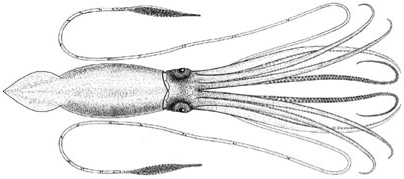
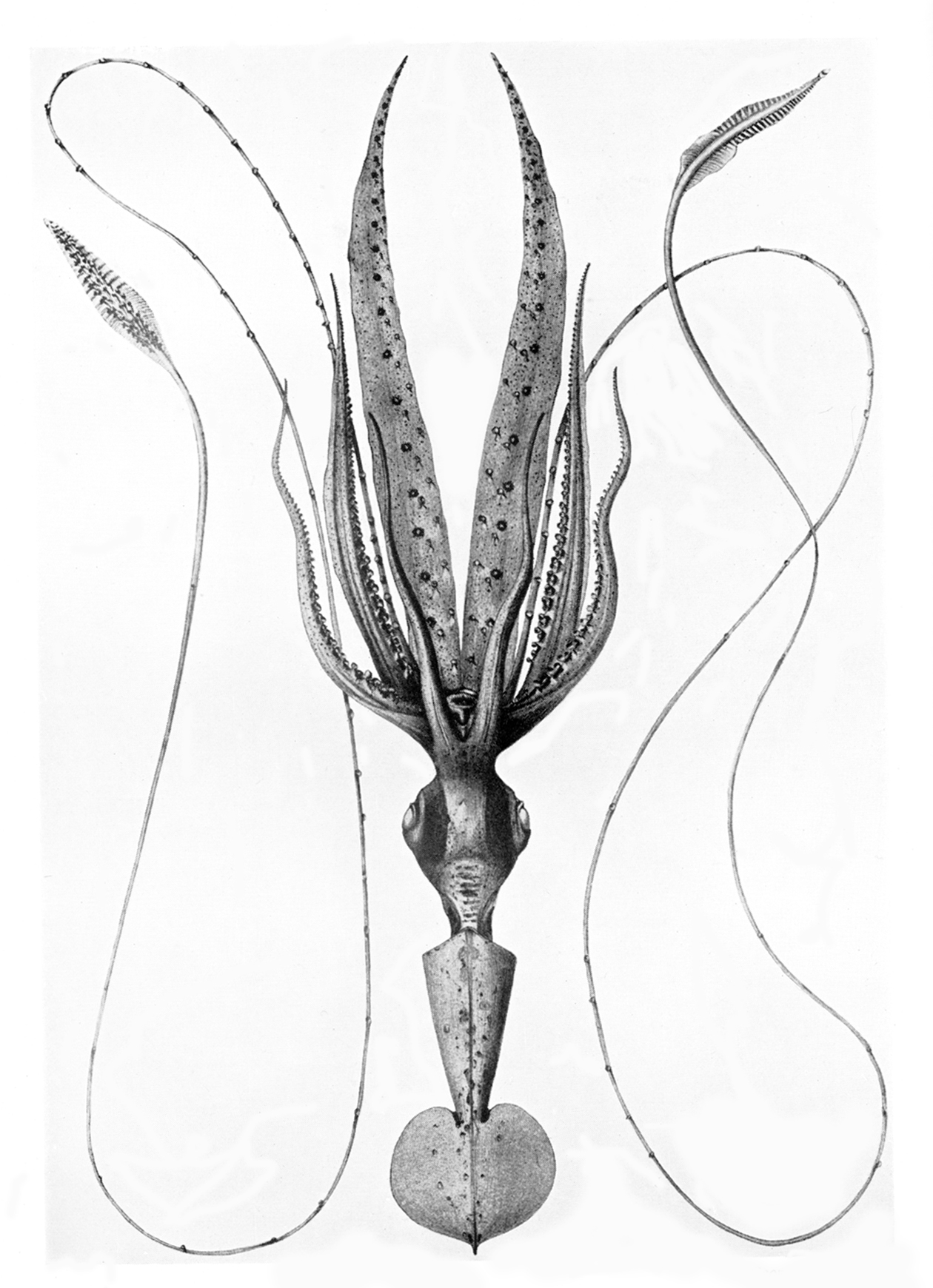
Giant squid: known almost entirely from fragments until recently
Beaked whales: multiple species discovered in the last few decades
On land:
Large mammals require:
Dense, localized populations
Stable territories
Predictable feeding zones
Which are easy to detect.
Water fundamentally changes biomechanics:
Buoyancy supports mass
No need for load-bearing limbs
Gigantism is energetically cheaper
This is why:
The largest animals in Earth’s history are marine
Many deep-sea species are much larger than their shallow-water relatives
A “giant unknown thing” is biomechanically plausible in water, not on land.
Marine detection relies on:
Sonar (low resolution for biology)
Trawls (sparse, destructive, biased)
Remote cameras (tiny windows of time)
Most ocean animals:
Are never caught
Are never photographed
Are known from indirect traces
Terrestrial detection:
Trail cams
Roads
Satellites
Human density
Hunters
If a large land animal exists, we will get a clear photo or body.
Real examples once considered “cryptids”:
Giant squid (Architeuthis): known from myths → beaks → carcasses → video
Megamouth shark (1976): large, slow, near surface
Living coelacanth (1938)
Beaked whales: new species discovered via bones/DNA
These follow a consistent pattern:
physical evidence first, live observation later.
Marine cryptids sometimes meet this standard. Terrestrial ones don’t.
More plausible
Deep-sea invertebrates
Rare sharks or rays
Elusive cetaceans
Large gelatinous organisms
Deep pelagic animals with wide ranges
Much less plausible
Humanoid sea beings
Intelligent, tool-using marine species hiding from humanity
Enormous surface-dwelling animals near coasts
Plausibility ≠ license for fantasy.
Even water has limits.
Lakes:
Are small
Have limited biomass
Are heavily monitored
This is why:
Loch Ness monster fails ecological tests
Lake cryptids are generally implausible
The open ocean is the real ignorance zone.
Marine cryptids are more plausible because the ocean erases evidence, limits observation, supports sparse large animals, and has a proven history of surprises.
Terrestrial ecosystems do not.
This doesn’t mean famous cryptids are real — it means where uncertainty legitimately remains.
If you want, I can:
Rank famous cryptids by ecological plausibility
Explain why humanoid cryptids are almost certainly mythic
Compare cryptids to legitimate “unknown unknowns” in biology
Tie this into philosophy of scientific ignorance (what kinds of unknowns are allowed)
Just say the direction.