The blog to end all blogs. Reviews and comments about all and everything. This blog is NOT affiliated with YouTube, Wikipedia, Microsoft Bing, Gemini, ChatGPT or any commercial vendor! Links don´t imply endorsement. Many posts and comments are ironic. The blogger is not responsible for comments made by others. The languages used are English and Swedish. Content warning: Essentially everything.
Tuesday, January 13, 2026
Julgransplundring
Credit: FredrikT(?)
Kan någon förklara varför julen slutar 13 januari? Jag menar, vad fan...Okej, ro hit med gratisgodiset bara! :D
It ends the Octave of Epiphany Jan 6 to Jan 13 Baptism of the Lord. The next Sunday starts 'Ordinary Time'. The Baptism being the culmination of Jesus' manifestation of divinity.
I´ve heard so many theories on January 13. The one you mention must be this one (from Wikipedia): "In traditionalist Catholic communities that use the General Roman Calendar of 1960 as part of the Extraordinary Form authorized by Summorum Pontificum, Epiphany is celebrated with a de facto octave from January 6 to the Feast of the Baptism of the Lord on January 13, although the octave was nominally removed in the calendar reforms of 1955."
It´s actually the best theory I´ve heard so far. Apparently, the Swedish tradition is from the 17th century (when Sweden was already Lutheran) - before that, the Christmas season ended on Epiphany proper. But they may still have known about the Octave thing!
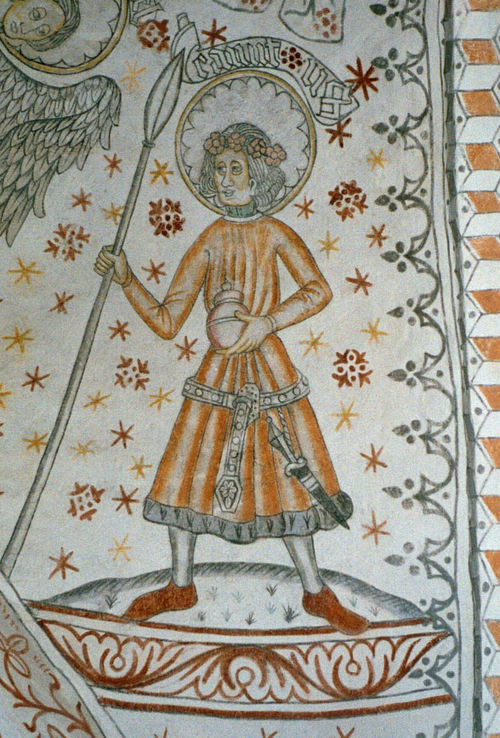
One source of the confusion is that January 13 is also associated with the cult of a medieval Catholic saint, the Danish prince Knut Lavard, who was originally venerated on January 7. Hence, January 13 is called "Tjugondag Knut" (which means something like "The Day of Knut Twenty Days after Christmas")...

It ends the Octave of Epiphany Jan 6 to Jan 13 Baptism of the Lord. The next Sunday starts 'Ordinary Time'. The Baptism being the culmination of Jesus' manifestation of divinity.
ReplyDeleteI´ve heard so many theories on January 13. The one you mention must be this one (from Wikipedia): "In traditionalist Catholic communities that use the General Roman Calendar of 1960 as part of the Extraordinary Form authorized by Summorum Pontificum, Epiphany is celebrated with a de facto octave from January 6 to the Feast of the Baptism of the Lord on January 13, although the octave was nominally removed in the calendar reforms of 1955."
ReplyDeleteIt´s actually the best theory I´ve heard so far. Apparently, the Swedish tradition is from the 17th century (when Sweden was already Lutheran) - before that, the Christmas season ended on Epiphany proper. But they may still have known about the Octave thing!
One source of the confusion is that January 13 is also associated with the cult of a medieval Catholic saint, the Danish prince Knut Lavard, who was originally venerated on January 7. Hence, January 13 is called "Tjugondag Knut" (which means something like "The Day of Knut Twenty Days after Christmas")...
The Knut Lavard thing obviously being a local thing in Scandinavia.
ReplyDelete